


STRATEGY & INNOVATION LEADERSHIP ROUNDTABLE
.jpg)
In today’s market environment, growth is reallocating faster than traditional planning cycles can interpret. Revenue pools are shifting across adjacencies, customer priorities, competitive moves, technologies, and ecosystems well before they become visible in conventional dashboards. At the same time, strategy and innovation leaders are under increasing pressure to bring AI into market and competitive intelligence workflows not simply to move faster, but to see earlier, assess more rigorously, and make better-defended growth decisions.
This closed-door roundtable is designed for senior leaders responsible for strategy, innovation, growth, market intelligence, and strategic planning who are rethinking how AI can strengthen signal detection, sharpen competitive interpretation, and improve decision quality. The discussion will examine how leading organizations are building more AI-native approaches to market and competitive intelligence while still protecting what matters most at the executive level: accuracy, credibility, contextual depth, and trust. Rather than focusing on AI as a tool for speed alone, the conversation will center on how AI can act as a force multiplier for strategic judgment helping teams identify emerging opportunities earlier, validate shifting market realities more effectively, and translate fragmented intelligence into leadership-ready action.
CAN YOU TRUST AI FOR HIGH-STAKES GROWTH DECISIONS?

Across industries, growth is reallocating beyond traditional core markets—often before it is formally defined or measured. At the same time, Strategy, Market Intelligence, and Competitive Intelligence teams face mounting pressure to deploy AI to accelerate analysis. Yet speed alone does not improve judgment; many organizations find that AI improves pace, but not consistently accuracy, credibility, or executive confidence.
MNM PARTNER CONNECT

MnM Partner Connect is an invite-only leadership webinar for CEOs, founders, and partnership heads ofboutique consulting firms who want to grow revenue faster—without adding fixed costs or getting trappedin delivery.
As demand increases, many boutique firms hit a growth ceiling due to founder dependency, limiteddelivery scale, and insufficient credentials to win large RFPs. This session introduces a partnership-ledscaling model where MarketsandMarkets becomes your extended delivery, research, and credibilityengine—allowing you to pursue larger, higher-value engagements with confidence.
Through a sharp keynote and a CEO-level panel discussion, you’ll learn how to free up leadershipbandwidth, variable-ize costs, strengthen proposals, and unlock new revenue streams—while stayingfocused on client relationships and strategic growth.
AI-NATIVE MARKET AND COMPETITIVE INTELLIGENCE

Across industries, revenue is reallocating beyond traditional core markets, often before it is formally defined or measured. At the same time, intelligence teams face mounting pressure to deploy AI to accelerate analysis. Yet acceleration alone does not improve judgment. Many organizations report that while AI improves speed, it does not consistently improve accuracy or executive confidence. This session examines what it truly means to build AI-native market and competitive intelligence, and why accuracy, credibility, and contextual depth must remain central to strategic decision-making.
Agentic AI Webinar | The Future of Intelligent Automation

A powerful wave of intelligent automation and autonomous AI systems is transforming markets across traditional and emerging industries. MnM's foresighting team has pinpointed over 150 high-impact future markets that represent a staggering $35 trillion opportunity by 2035. Our industry experts have analysed more than 6,000 markets to uncover the dynamic, fast-growing sectors that will drive profitability over the next decade.
Agentic AI has emerged as one of the most disruptive and high-impact shifts across these markets. By enabling autonomous decision making, continuous learning, and intelligent collaboration, Agentic AI is fundamentally transforming how organizations operate, reshaping business models and intensifying competition across industries. Together, these shifts are unlocking opportunities across sectors, with the total addressable market expected to approach nearly USD 50 billion by 2030.
Defense Industry Outlook

As defense budgets grow and technological advancements accelerate, 2025 is shaping up to be a transformative year for global defense strategies This webinar will explore the disruptive technologies and market trends redefining defense capabilities across air, land, sea, space, and cyber domains. Drawing from MarketsandMarkets' latest research and insights, the discussion will cover how emerging innovations like hypersonic weapons, counter-drone systems, AR/VR in military training, and AI-driven cybersecurity are changing the defense landscape. Participants will gain a comprehensive understanding of the technologies, trends, and geopolitical shifts that will shape defense strategies over the next decade.
FUTURE OF ROBOTAXI MARKET WEBINAR

Over the past year, the Robotaxi market has generated significant momentum in the mobility sector. From Waymo expanding into new cities to Tesla launching its robotaxi services, and Chinese operators targeting the Middle East, the race is well underway. Global players including new entrants like Amazon are now focusing on autonomous taxi operations as a way to redefine urban mobility.
Cities remain the most critical enablers for scaling robotaxi services. While the US, China, and the Middle East are leading, Europe is rapidly catching up. Interestingly, not just Tier 1 but also Tier 2 cities worldwide are preparing for seamless robotaxi integration.
At the same time, new business models are emerging, ranging from vertically integrated approaches to aggregator and peer-to-peer models. The cost of autonomous vehicle technology, operations, and maintenance is expected to drop by more than 4X over the next decade, particularly in mature markets like the US. By 2035, robotaxi fares could fall below the average taxi fare.
This webinar will explore these trends and key questions as the robotaxi market moves from buzz to business reality.
Agentic AI Webinar | The Future of Intelligent Automation

A powerful wave of intelligent automation and autonomous AI systems is transforming markets across traditional and emerging industries. MnM's foresighting team has pinpointed over 150 high-impact future markets that represent a staggering $35 trillion opportunity by 2035. Our industry experts have analysed more than 6,000 markets to uncover the dynamic, fast-growing sectors that will drive profitability over the next decade.
Agentic AI has emerged as one of the most disruptive and high-impact shifts across these markets. By enabling autonomous decision making, continuous learning, and intelligent collaboration, Agentic AI is fundamentally transforming how organizations operate, reshaping business models and intensifying competition across industries. Together, these shifts are unlocking opportunities across sectors, with the total addressable market expected to approach nearly USD 50 billion by 2030.
FUTURE OF ROBOTAXI MARKET

Over the past year, the Robotaxi market has generated significant momentum in the mobility sector. From Waymo expanding into new cities to Tesla launching its robotaxi services, and Chinese operators targeting the Middle East, the race is well underway. Global players including new entrants like Amazon are now focusing on autonomous taxi operations as a way to redefine urban mobility.
Cities remain the most critical enablers for scaling robotaxi services. While the US, China, and the Middle East are leading, Europe is rapidly catching up. Interestingly, not just Tier 1 but also Tier 2 cities worldwide are preparing for seamless robotaxi integration.
At the same time, new business models are emerging, ranging from vertically integrated approaches to aggregator and peer-to-peer models. The cost of autonomous vehicle technology, operations, and maintenance is expected to drop by more than 4X over the next decade, particularly in mature markets like the US. By 2035, robotaxi fares could fall below the average taxi fare.
This event will explore these trends and key questions as the robotaxi market moves from buzz to business reality.
Emergence Of Software-defined Vehicles

Modern Passenger vehicle OEMs are shifting their focus towards flexible and upgradable platforms, characterised by software updates and upgrades. This trend is driven by the fundamental principle of de-coupling feature upgrades with model platform refreshes, thereby making hardware and software mutually independent. This means, OEMs today now have the option of standardising hardware platforms with the ability to introduce and unlock new features through a software patch insertion, opening new revenue generation opportunities. In this direction, collaborations between OEMs and software service providers range from hardware platform commonalities, software development, feature updates with the overall objective of making model year and generation changes obsolete and redundant.
Industries of the Future | Webinar

A powerful wave of technological and economic disruptions is transforming markets across traditional industries.
MnMs foresighting team has pinpointed over 150 high-impact future markets that represent a staggering $35 trillion opportunity by 2035. Our industry experts have analysed more than 6,000 markets to uncover the dynamic, fast-growing sectors that will drive profitability over the next decade.
These markets are grouped into 7 key themes, each highlighting game-changing trends and technologies poised to disrupt business models and drive competition between new and traditional players.
The Future of Smart Sales: Harnessing AI and Human Intelligence!

The sales landscape is evolving rapidly, with AI-driven innovations transforming how organizations identify, engage, and close high-value opportunities. AI adoption in revenue teams has surged, with a majority having incorporated AI-driven tools, leading to a notable increase in productivity and boost in win rates! While AI can significantly streamline revenue processes, the ongoing challenge lies in enhancing efficiency without introducing unnecessary complexity or diminishing the value of human expertise in critical decision-making.
At the MarketsandMarkets Sales Leadership Roundtable, scheduled for 22nd May from 3 - 5:30 PM at Park James Hotel in Menlo Park, industry experts, thought leaders, and sales strategists will explore the future of AI-powered selling—unveiling best practices, real-world applications, and the role of human intelligence in maximizing technology’s potential and hyper-personalized insights.
Industries of the Future (Chapter IX) - $35 Trillion by 2035!

MarketsandMarkets' foresighting team has pinpointed over 150+ high-impact future markets that represent a staggering $45 - $50 trillion opportunity by 2035. Our industry experts have analysed more than 6,000 markets to uncover the dynamic, fast-growing sectors that will drive profitability over the next decade.
These markets are grouped into 10 key mega-themes, the most important of which are listed below. Each highlights game-changing trends and technologies poised to disrupt business models and intensify competition between new and traditional players.
FUTURE OF INDIA

India is set to surpass Japan to become the 4th largest economy by 2026 and overtake Germany to become the 3rd largest economy by 2028. India is projected to add $1 trillion to its GDP every 12–18 months in the coming decade. With this momentum, India is targeting a $30 trillion economy by 2047. India economy traditionally has been dominated by the services sector. However, in future share of the manufacturing sector is expected to increase significantly with initiatives like Make in India. In this virtual discussion, we will delve into the pivotal role of India manufacturing sector. The discussion will cover the high growth sunrise sectors and their potential in worlds largest populated country both for home growth market as well as exports as corporates look for China + 1 strategy. Discover how manufacturing and services will propel Indias economic ascent, unlocking vast opportunities and strategic advantages. This session will provide valuable insights and actionable strategies for leveraging the growth opportunities in one of the worlds most dynamic economies.
Connected Data Ecosystems in the Era of AI

Envision an industrial landscape where machines predict their own maintenance needs, supply chains adapt dynamically to real-time demand and resource changes, and industries achieve unmatched efficiency with minimal waste—all guided by human expertise. This vision is rapidly becoming a reality as industries evolve to meet the changing business environment and transition towards a connected data ecosystem. Connected data ecosystems are the backbone of digital transformation. Moreover, Artificial intelligence and machine learning tools are becoming integral to these ecosystems, utilizing algorithms to analyze vast amounts of operational data and uncover connections that might otherwise go unnoticed.
Smart Technology in Hospitality
The hospitality industry is undergoing a profound transformation driven by the integration of smart technologies, fundamentally reshaping the guest journey and enhancing operational efficiency. From pre-arrival planning to post-stay interactions, businesses across the sector—such as hotels, restaurants, and nightclubs—are leveraging advanced digital solutions to meet evolving consumer expectations and drive profitability.
With global spending on customer experience in hospitality projected to reach $30 billion, the emphasis on digital innovation and guest-centric strategies highlights the industry's commitment to fostering loyalty and maintaining competitiveness in a technology-driven market.
This webinar offers pragmatic strategies around utilizing AI, loyalty strategies, mobile solutions, CDPs/ smart technologies to personalize interactions, streamline operations, enhance trust, and drive growth.
The hospitality industry is being revolutionized by the cutting-edge technologies such IoT-enabled smart systems, Al and chatbots, voice assistants, big data & analytics, and contactless technology elevating guest experiences. Studies indicate that by 2025, 70% of customer interactions within hospitality will involve IoT-enabled devices. Solutions like Marriott’s IoT Guestroom Technology and Alexa for Hospitality enable guests to control room features like lighting and entertainment with voice commands, providing seamless convenience. Furthermore, hotels are increasingly adopting 'smart rooms' powered by Al and voice recognition technology to enhance guest experiences.
AI-powered property management systems (PMS) automate tasks like guest requests, housekeeping, and check-ins, while optimizing room assignments to boost satisfaction and reduce staff workload. AI-driven dynamic pricing analyzes market trends and demand patterns, enabling real-time adjustments that can boost hotel revenue by up to 15%. AI chatbots and virtual assistants simplify bookings, inquiries, and personalized recommendations with 24/7 support. For example, Hilton's AI concierge robot, Connie, deploys NLP to offer conversational assistance on hotel services.
Industries of the Future (Chapter VII) - $35 Trillion by 2035!

MarketsandMarkets' foresighting team has pinpointed over 150+ high-impact future markets that represent a staggering $45 - $50 trillion opportunity by 2035. Our industry experts have analysed more than 6,000 markets to uncover the dynamic, fast-growing sectors that will drive profitability over the next decade.
These markets are grouped into 10 key mega-themes, the most important of which are listed below. Each highlights game-changing trends and technologies poised to disrupt business models and intensify competition between new and traditional players.
Industries of the Future (Chapter VI) - $35 Trillion by 2035!

MarketsandMarkets' foresighting team has pinpointed over 150+ high-impact future markets that represent a staggering $45 - $50 trillion opportunity by 2035. Our industry experts have analysed more than 6,000 markets to uncover the dynamic, fast-growing sectors that will drive profitability over the next decade.
These markets are grouped into 10 key mega-themes, the most important of which are listed below. Each highlights game-changing trends and technologies poised to disrupt business models and intensify competition between new and traditional players.
Micro Mobility Evolution in Asia

The Asia-Pacific Micro Mobility market has witnessed significant growth during the past 5 years primarily driven by the need for personal point-to-point mobility as we see an uptick in urbanisation and investments in public transport infrastructure. With an estimated worth of $8 - 10 billion by 2025, the micro mobility market in APAC is seeing an entry of new-age and legacy OEMs introducing bespoke personal mobility solutions with focus on connectivity, vehicle usage experience and seamless integration with other forms of transport.
Transforming Entertainment Through Elevated Customer Experience

The entertainment industry is undergoing a transformative evolution, propelled by rapid advancements in technology, shifting consumer preferences, and a heightened demand for highly personalized, immersive experiences. From theme parks and casinos to live sports and theater, companies face the challenge of delivering innovative, real-time entertainment while seizing emerging opportunities..
As companies strive to provide differentiated and engaging experiences, there is an increasing emphasis on optimizing customer experience (CX) to drive brand loyalty and customer satisfaction. Global CX spending in the entertainment sector is expected to reach $12 billion, reflecting the growing investment in solutions that meet evolving consumer expectations. This dynamic shift emphasizes the importance of agility, technological integration, and customer-centric strategies to thrive in an increasingly competitive market.
Industries of the Future - $35 Trillion by 2035!
MarketsandMarkets' foresighting team has pinpointed over 150+ high-impact future markets that represent a staggering $45 - $50 trillion opportunity by 2035. Our industry experts have analysed more than 6,000 markets to uncover the dynamic, fast-growing sectors that will drive profitability over the next decade.
These markets are grouped into 10 key mega-themes, the most important of which are listed below. Each highlights game-changing trends and technologies poised to disrupt business models and intensify competition between new and traditional players.
Technology Disruptions & AI Driven CX

The tectonic plates are shifting within the evolving travel, tourism and transportation industry. The emergent demand of the modern-day traveler is both a daunting challenge and a realm of unprecedented opportunities for companies in this domain.
Estimates peg the spending on customer experiences (CX) in the travel, tourism, and transportation domain at 75 Billion USD (globally), which is likely to continue increasing at a breakneck pace. Companies are increasingly looking at AI-driven customer experience solutions to respond to these novel challenges and capitalize on the contemporary opportunities available .
Industries of the Future - $35 Trillion by 2035!
MarketsandMarkets' foresighting team has pinpointed over 150+ high-impact future markets that represent a staggering $45 - $50 trillion opportunity by 2035. Our industry experts have analysed more than 6,000 markets to uncover the dynamic, fast-growing sectors that will drive profitability over the next decade.
These markets are grouped into 10 key mega-themes, the most important of which are listed below. Each highlights game-changing trends and technologies poised to disrupt business models and intensify competition between new and traditional players.
MarketsandMarkets AI in Healthcare - The $148Bn Next Era in Medical Diagnostics!

Demographic trends and chronic diseases are creating unprecedented demand for healthcare organizations and providers. Digitization has helped mitigate some of the load, however it has also highlighted weak points in the system such as a shortage of radiologists. AI has the potential to offload portions of the workload once it has earned a seat at the table.
Artificial Intelligence & the Digital Cockpit

The intersection of automotive electrification, software-defined architectures, driver experience, and artificial intelligence is creating new opportunities for OEMs, Tier suppliers, network operators, and technology equipment manufacturers. With digital cockpits now available in 65% of new vehicles and growing, OEMs and partners can fundamentally transform the driving experience with AI.
MarketsandMarkets Hydrogen Economy Breakfast Briefing

Hydrogen has often been referred to as the ‘fuel of the future’. That very future, we believe has well & truly arrived with a shift to green hydrogen offering the potential to significantly reduce global carbon emissions, estimated at over 50 gigatons in 2022, by almost 1 GT in chemical and industrial applications alone, with even greater reductions across various industries spanning power, transportation, & construction by 2050
MarketsandMarkets Future of Packaging Virtual Panel

Millions of tons of plastic have entered our oceans, wreaking havoc on ecosystems and infiltrating the food chain. Shockingly, 51 trillion plastic particles—500 times more than the stars in the galaxy—pollute our waters. As per Dutch research, tiny plastic shards have even been found in human hearts and blood.
As Nelson Mandela eloquently stated, "We must heal the wound and in doing so, build a new world." By embracing recycled plastic packaging, we can heal the environmental wounds inflicted by plastic pollution and build a new world – a circular economy where sustainability and profitability go hand-in-hand.
MarketsandMarkets Future of Food Roundtable
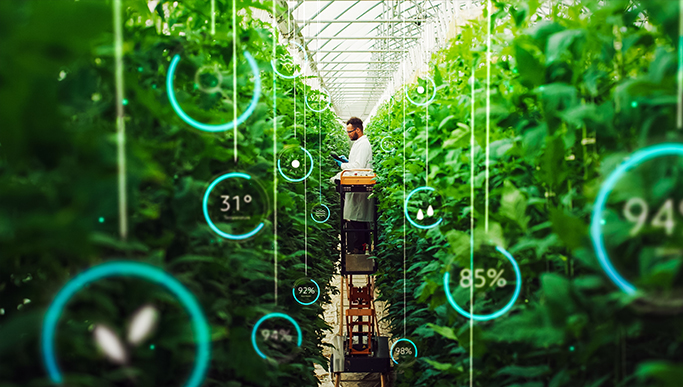
The food industry is thriving with substantial growth and economic impact. As the global human population continues to rise, the global food market has seen remarkable expansion, achieving an annual revenue of $10 trillion and contributing to nearly 12% of the world's GDP. As we set foot into a new dawn full of technological advancements, companies have begun projects to in all sections of the value chain. Regulations have also been put in place in North America and the EU promoting the practice of sustainable future of food.
MarketsandMarkets Roundtable - Unlocking the $300B Network API Market

Network Application Programming Interfaces (APIs) offer the potential to unlock $300B of opportunities for developers and service providers by 2028. Software developers will have a single interface to abstract the complexity of network operator infrastructure and unleash new capabilities for future applications and business models.
MarketsandMarkets CMO Virtual Panel - Exploring Demand Effectiveness Vs Demand Efficiency

The dynamic landscape of digital transformation has ushered in novel trends that reverberate across industries globally, triggering a profound impact on the marketing ecosystem. Traditional workflows are undergoing rapid metamorphosis, necessitating an intensified focus on devising innovative strategies. These strategies not only ensure sustained visibility but also drive tangible demand for businesses seeking to navigate the evolving marketplace successfully.
In the midst of this transformative era, the surge in customer data generation, coupled with the advent of AI tools extracting valuable insights, has exponentially heightened the pressure on organizations to enhance Return on Investment (ROI) within a relatively short timeframe.
MarketsandMarkets Global Automotive Outlook 2024 Webinar

In 2024, it’s projected that the combined volumes of the automotive industry, encompassing both passenger and commercial vehicles, will attain 94.6 million units, indicating a growth of 3.1% compared to the 2023 figure of 91.7 million units. Despite the expected increase in the Total Industry Volume (TIV) for 2024, the year-over-year (YOY) growth is predicted to decrease significantly. This decline can be attributed to a complex interplay of various factors, including economic challenges, geopolitical tensions (such as those involving Ukraine and Gaza), supply chain disruptions, escalating commodity prices, rising living expenses, and interest rates fluctuations, among other influences.
MarketsandMarkets Autonomous Economy Virtual Roundtable - Chapter 2

2023 will invariably be remembered as a landmark year when the tidal wave of ‘AI’ swept across the globe. Having been brewing under the surface for well over a decade, AI and a slew of intertwined technologies like IoT, Robotics, ML and Data Analytics stand at the precipice of irreversibly transforming age-old workflows and, in the process, ushering in a new dawn for how economic value is inherently created. The transition from a ‘technology-assisted’ economy to a partially & eventually even a wholly autonomous one, has well & truly begun!
MarketsandMarkets Next New Series - The Future Of Diagnostic Imaging | Part 2

In the world of modern healthcare, diagnostic imaging is a cornerstone of precision medicine. With over 5 billion imaging procedures conducted globally each year, the potential to determine clinical actions and monitor therapy outcomes is immeasurable. The future of diagnostic imaging holds immense promise, marked by the integration of artificial intelligence (AI) and machine learning (ML) technologies, evolving ecosystems, and continuous innovation.
MarketsandMarkets Connected And Autonomous Mobility Roundtable

Research conducted by MarketsandMarkets reveals a captivating future for the global automotive industry. With an estimated surge in sales surpassing 100 million vehicles, battery electric vehicles (BEVs) are set to take center stage, accounting for more than 50% of the market share. These projections have spurred top automakers across the globe to invest over $1 trillion by 2030 to electrify their expansive fleets.
MarketsandMarkets Connected & Autonomous Mobility Roundtable

Research conducted by MarketsandMarkets reveals a captivating future for the global automotive industry. With an estimated surge in sales surpassing 100 million vehicles, battery electric vehicles (BEVs) are set to take center stage, accounting for more than 50% of the market share. These projections have spurred top automakers across the globe to invest over $1 trillion by 2030 to electrify their expansive fleets
MarketsandMarkets Autonomous Economy Virtual Roundtable - Chapter 1

2023 will invariably be remembered as a landmark year when the tidal wave of ‘AI’ swept across the globe. Having been brewing under the surface for well over a decade, AI and a slew of intertwined technologies like IoT, Robotics, ML and Data Analytics stand at the precipice of irreversibly transforming age-old workflows and, in the process, ushering in a new dawn for how economic value is inherently created. The transition from a ‘technology-assisted’ economy to a partially & eventually even a wholly autonomous one, has well & truly begun!
MarketsandMarkets Hydrogen Mobility Roundtable
.jpg)
Due to rising emission levels and increasing prices of petroleum, along with its limited availability, there has been a growing demand for zero-emission alternative fuel vehicles. The governments of several countries are taking initiatives to promote clean sources of energy by instituting stringent emission norms and providing subsidies and tax benefits for the early adoption of EVs and other low-emission vehicles to help meet these stringent emission regulations. Along with better electric and hybrid electric vehicles, various car manufacturers are now focusing developing and promoting of fuel-cell vehicles, as they are considered “zero-emission vehicles.” Toyota (Japan), Hyundai (South Korea), Honda (Japan), and Daimler (Germany) are key OEMs in the automotive fuel cell market. Some other top vehicle manufacturers like Ford (US), Volkswagen (Germany), Nissan (Japan), etc., have also been showing interest in these vehicles.
Chief Revenue Officer Talk Series | Season 1

There is a massive shift to digitally transformed and customer-focused marketing and the Customers’ journey is more content-driven and engaging now. The key to businesses is the smooth transitions and effective management of sales pipeline and marketing resources. In a subscription-based economy, where companies are investing big time on annuity revenue models, role of CROs is not only becoming increasingly important for the internal CXO community but also gaining importance for investors and venture capitalists.
The CRO function oversees operations, sales, company development, advertising and marketing, pricing, and revenue management. They recognize enhancing income overall performance, developing great product and pricing strategy, and delivering customer satisfaction. CROs are accountable in aligning all sales-generating departments and building strategic partnerships. Their cross-functional expertise ensures sales and marketing communicate well, share information, and collaborate in content creation so that each messaging fits their target customers.
How the role of a Chief Revenue Officer is shaping up to be more focused on all revenue generation processes in an organization? Listen to the CRO Talk Series - Encompassed in a 5 module virtual series of 30 minutes each, this gathering of 500+ nation’s top sales & revenue leaders will get benefitted from 5 hours of keynotes, fireside chats, interactive panels, and endless networking opportunities with captivating content aimed at transforming the way businesses meet the goals and provides an ensured success pathway to become a successful CRO.
Marketsandmarkets Strategy And Innovation Roundtable - Digital Health

The use of Artificial Intelligence (AI) and Metaverse technology has the potential to revolutionize the way we approach healthcare and improve patient outcomes. AI can help healthcare providers process large amounts of data quickly and accurately, enabling them to make faster and more accurate diagnoses. AI algorithms can also analyze patient data such as medical history, lab results, and imaging studies to identify patterns and make predictions about disease progression & potential treatment options.
Metaverse technology, on the other hand, can provide a highly immersive and interactive environment for healthcare professionals and patients to engage in virtual consultations & medical simulations. This can be especially useful for training upcoming medical professionals and providing remote care to patients in underserved areas with insufficient infrastructure. Moreover, metaverse technology can also enhance patient education and engagement by providing interactive experiences that help patients comprehensively understand their health conditions & steps required to combat them.
MarketsandMarkets Chief Sustainability Officer Roundtable 2023 - Green Hydrogen

Energy markets are in the middle of a revolution, triggered by the need to achieve net zero goals. For an energy company of the future, any future portfolio will require access to a diverse portfolio. This will need to span generation, demand and storage or other technologies that can deliver flexibility.
MarketsandMarkets CMO Roundtable - Account Based Marketing

The role of today’s CMO is not only limited to marketing activities but also responsible for being a revenue driver of a business. A CMO faces many challenges, and quality insights and networking opportunities are hard to come by. The CMO Talks Spin-off -A Round Table Initiative by MarketsandMarkets aims to rectify those pain points by bringing together top thought leaders in the business world – exploring the dimensions and ramifications of this new age of ever-evolving leadership roles.
Chief Revenue Officer Talk Series Season 2 Episode 1 | Role of CRO in Effective Sales Leadership
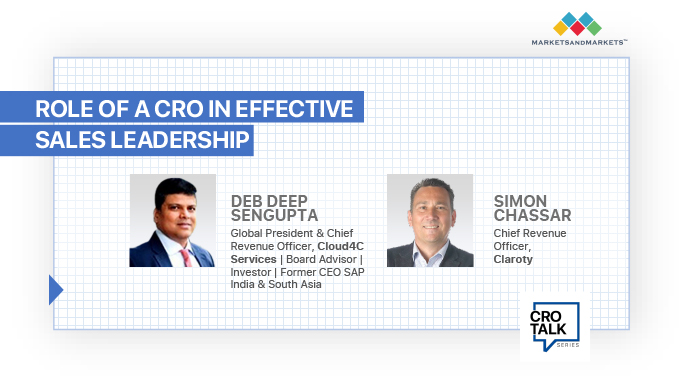
Over the years, the role of a CRO has grown to become a single point of contact in an organization, besides driving better integration and alignment between all revenue-related functions. Moreover, CROs today are responsible for catering to revenue-generating processes and connecting various revenue-related tasks in an organization. They are also demonstrating effective leadership to drive predictable growth.
The current market scenario demands effective sales leadership of the CRO to surpass through recessionary times and maintain the business continuity cycle. Join our host, Deb Deep Sengupta, Global President & Chief Revenue Officer, Cloud4C Services | Board Advisor | Investor | Former CEO SAP India & South Asia, in conversation with our guest speaker, Simon Chassar, Chief Revenue Officer, Claroty, to uncover the role of a CRO in effective sales leadership.
MarketsandMarkets CMO Roundtable - Account Based Marketing (Edition 4)

The role of today’s CMO is not only limited to marketing activities but also responsible for being a revenue driver of a business. A CMO faces many challenges, and quality insights and networking opportunities are hard to come by. The CMO Talks Spin-off Round Table Initiative by MarketsandMarkets aims to rectify those pain points by bringing together top thought leaders in the business world – exploring the dimensions and ramifications of this new age of ever-evolving leadership roles.
MarketsandMarkets Coatings & Adhesives Crystal Ball Event

The paints & coatings market is expected to be a $179 billion market in 2025. The growth of end-use industries such as architectural, general industrial, protective, and automotive & transportation is driving the paints & coatings market growth.
A host of attractive, high growth opportunities such as Smart Coatings, NanoCoatings, Anti-Icing Coating, anti-microbial coatings, polyurea coatings, UV coatings, etc could be pursued. Participants such as Paints & Coatings Manufacturer, Resin, Solvent, and Additives manufacturers can benefit from this unprecedented growth over the next 5 years.
MarketsandMarkets CMO Roundtable - Account Based Marketing (Edition 3)
The role of today’s CMO is not only limited to marketing activities but also responsible for being a revenue driver of a business. A CMO faces many challenges, and quality insights and networking opportunities are hard to come by. The CMO Talks Spin-off -A Round Table Initiative by MarketsandMarkets aims to rectify those pain points by bringing together top thought leaders in the business world – exploring the dimensions and ramifications of this new age of ever-evolving leadership roles.
MarketsandMarkets Robotics Crystal Ball Event
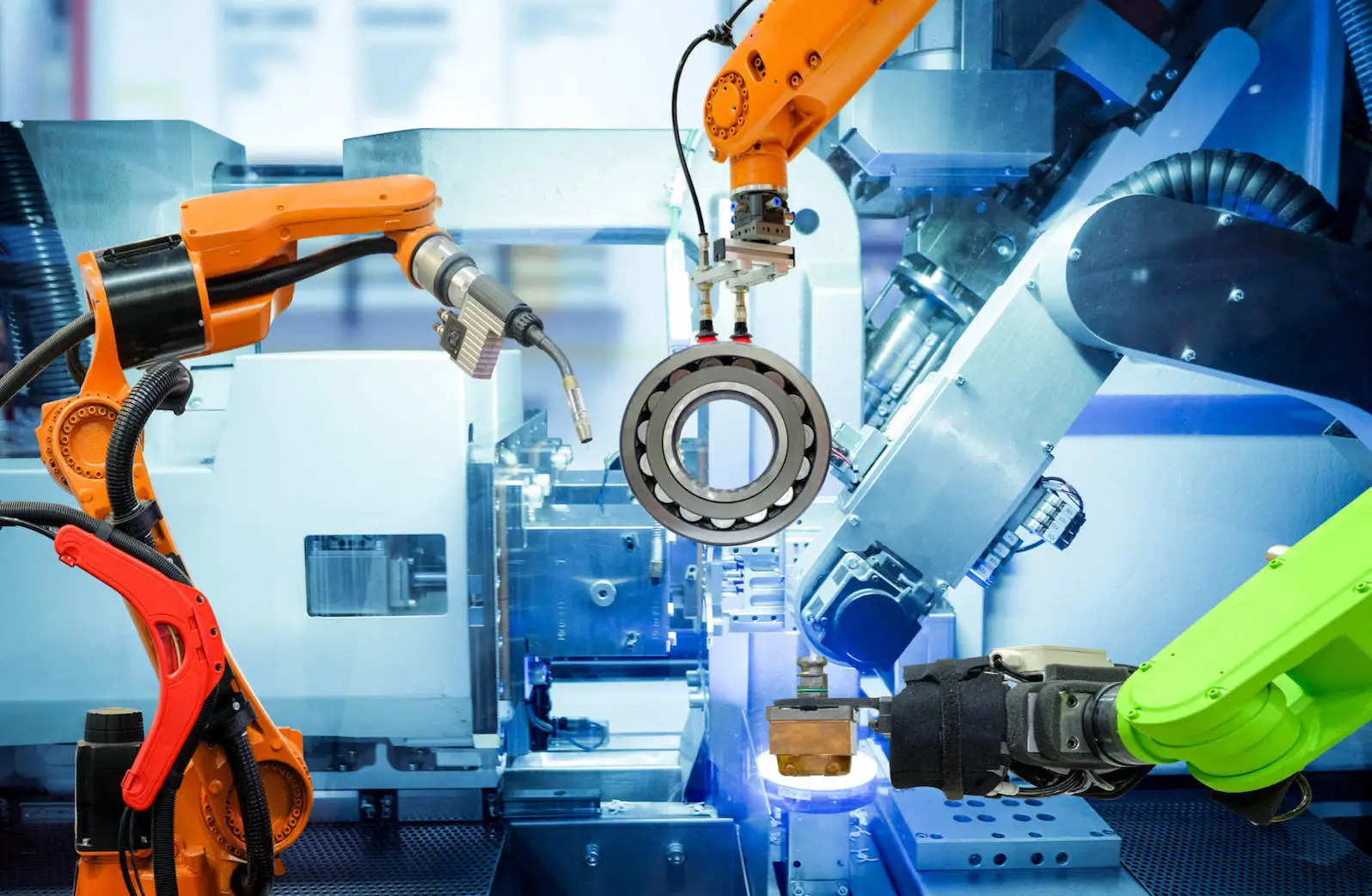
The industrial and services robot market is expected to grow at over `18% to be a $176 billion market in 2025. Numerous engines are expected to fuel its growth – A.I in Robotics, Cloud Robotics, Connected Autonomous Systems, Enterprise Robotic Automation, COBOTS, Bio robotics, Exoskeletons, Biped and Humanoids, Unmanned Aerial Systems, Advanced Vision Systems, Implantable sensors for Robotics as well as others.
A host of attractive, high growth opportunities such as Smart Factory, Precision Agriculture, Last Mile Delivery, Warehouse Automation, Cooperative & Network Robotics, Entertainment Robotics, Robotics in industrial monitoring, IOT/Industry 4.0 etc could be pursued.
MarketsandMarkets Sustainable Packaging Crystal Ball Event

The sustainable packaging market is estimated to grow at a healthy CAGR of 6-7% in the coming 5 years, driven by demand from flexible packaging and food & beverage industry.
Key Drivers & Opportunities shall include:
Government Initiatives: Initiative to minimize waste and encouraging recycling by various governmental bodies across geographies.
MarketsandMarkets CMO Roundtable - Account Based Marketing (Edition 1)

The role of today’s CMO is not only limited to marketing activities but also responsible for being a revenue driver of a business. A CMO faces many challenges, and quality insights and networking opportunities are hard to come by. The CMO Talks Spin-off -A Round Table Initiative by MarketsandMarkets aims to rectify those pain points by bringing together top thought leaders in the business world – exploring the dimensions and ramifications of this new age of ever-evolving leadership roles.
MarketsandMarkets Strategy and Innovation Best Practice Roundtable - 5G

The telecom industry is in a turbulent phase owing to several platform developments. Customers now have far higher expectations for connectivity, speed, support, convenience, and availability, which call for higher service quality. Japan is ahead of everyone in the race to implement 5G services, and the direction of mobile connection is clear now. An innovative new mobile network that might significantly reduce the cost and expand the flexibility of cellular services was soft launched by newcomer Rakuten Mobile. With its emerging cloud radio access network (Cloud-RAN), Rakuten can leverage off-the-shelf hardware by virtualizing radio network operations.
MarketsandMarkets 3D Printing Crystal Ball Event
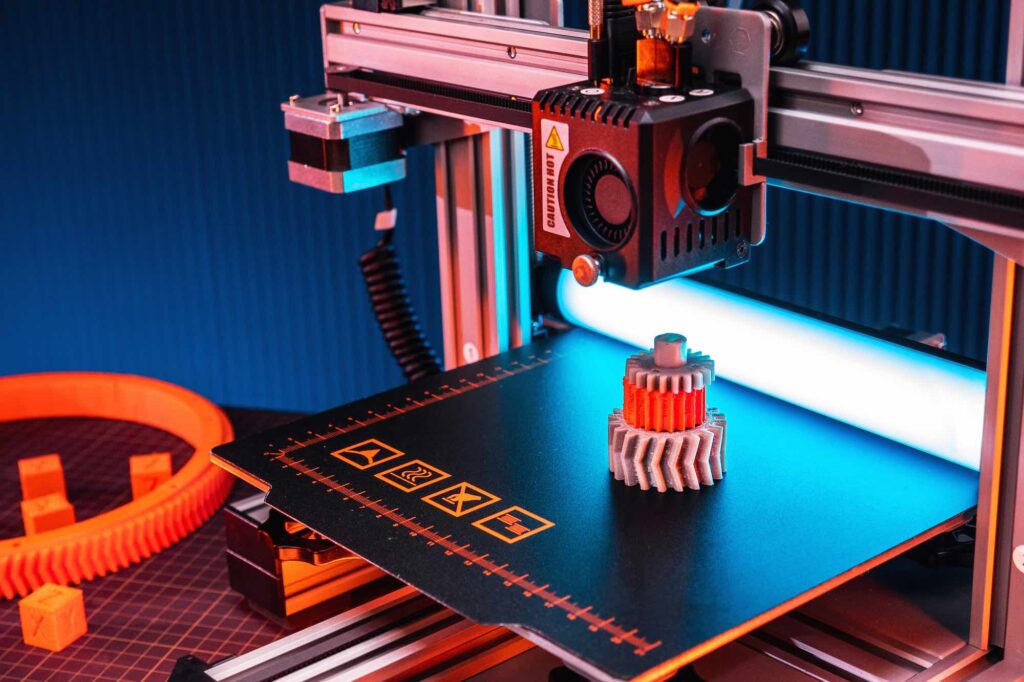
The 3D printing market is expected to grow at a CAGR of 22.5% to reach USD 34.8 billion market in 2026. Numerous engines are expected to fuel its growth – Digital Manufacturing, Industrial Internet of Things (IIOT)x, Industrial 3D Printing, Automated 3D Printing, 3D food Printing, 3D Mapping and Modelling, Continuous Composites, 3D Print Robots, Metamaterials, 3D Metal Printing. The industry has gone through a revolution over the last 5 to 10 years. Though it's a consumer-oriented technology, it has evolved into a viable industrial manufacturing solution. The market map consists of various providers in the 3D ecosystem, namely, 3D printers, software, services, and material providers, along with research institutes.
MarketsandMarkets Electric Vehicle Crystal Ball Event

The EV passenger car market is expected to reach nearly 39 million units by 2030, starting from around 8 million units in 2022, at a CAGR of 21.7%. Similarly, electric commercial vehicles are expected to grow at a CAGR of 31.4% from 0.3 million units in 2022 to around 3 million units by 2030. Major factors contributing to the stupendous growth are government net zero targets and incentives, OEM efforts to shift their offerings to electric, improving EV and related technologies (such as charging, batteries, drivetrain etc.), lower cost of operations of EVs, and growing consumer sentiment toward EV adoption.
MarketsandMarkets Next-Gen Bioprocessing Global Virtual Conference (Time zone: CET)

Over the last 50 years, the bioprocessing industry has witnessed tremendous change, overcoming many challenges to increase efficiency and productivity throughout the development and manufacturing process. These efforts have been particularly focused to elicit major advancements for cell lines, culture media, and downstream processes used to produce therapeutics.

3rd Annual MarketsandMarkets World Pharma Supply Chain and Cold Chain Logistics Virtual Conference (Time zone- Eastern Standard Time )

MarketsandMarkets is proud to announce the 3rd Annual MarketsandMarkets World Pharma Supply Chain and Cold Chain Logistics Virtual Conference on 20th-21st October 2022
Pharmaceutical supply chain and logistics faced the hardest disruptions during initial COVID era. Now, with COVID therapeutic manufacturing taking space, there also is a big desire to accelerate other clinical pipeline because of the ample opportunity for new medicine. While some companies were able to cope with their contingencies plan in place, the other followed risk mitigation. It is now essential for the pharma supply chain and logistics to follow the redundancy routes.
MarketsandMarkets Smart Manufacturing Crystal Ball Event
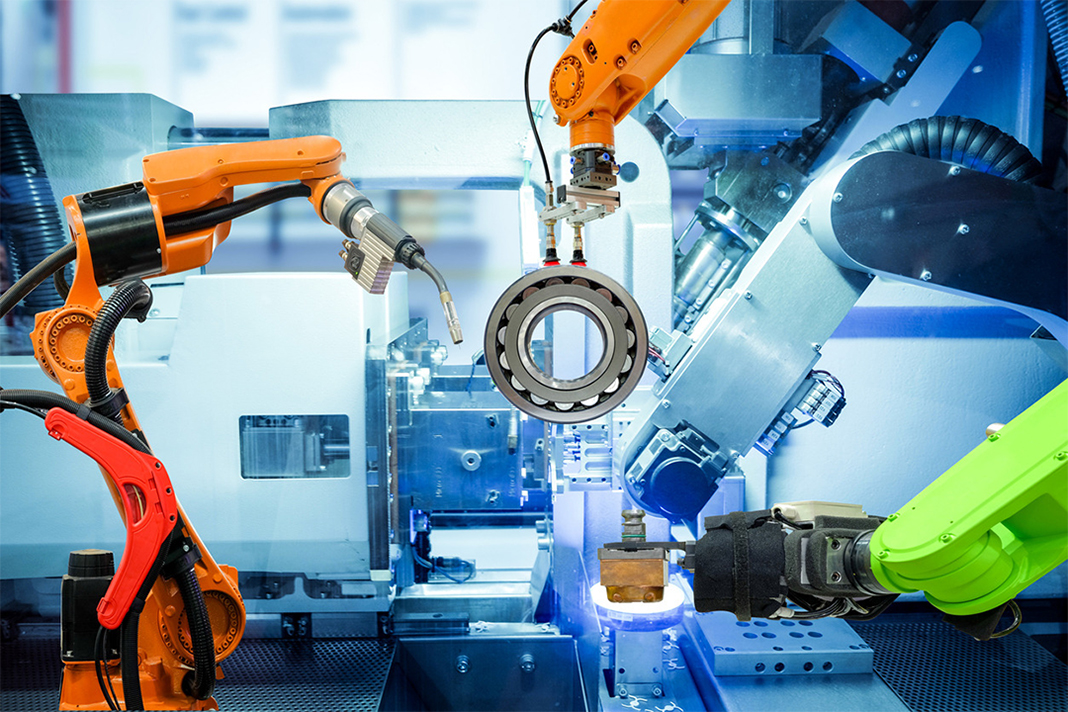
The smart manufacturing market is expected to reach USD 228 billion by 2027. Numerous enabling technologies are expected to fuel its growth – Condition Monitoring, Artificial Intelligence, Digital Twin, Industrial 3D Printing, Collaborative Robots, Industrial Cybersecurity, Warehouse Management Systems, Manufacturing Execution System and Automated Guided Vehicle.
MarketsandMarkets Cybersecurity Crystal Ball Event (Time Zone - 16:00 PM CET )

The cybersecurity market is expected to grow at over ~9.7% to be a USD 345 billion market in 2026. Numerous engines are expected to fuel its growth – advanced persistent threat, identity and access management, encryption, threat intelligence, security and information event management, network access control, intrusion detection and prevention system, data discovery and risk and compliance management.
MarketsandMarkets Plant Based and Alternative Protein Virtual Conference

Plant-based foods are one of the fastest growing food categories, growing by double digits in 2019, and are expected to reach $68.4 billion worldwide by 2026. The growth of this market is driven by a wide range of factors, including the increasing intolerance for animal proteins among consumers, the growing vegan population, and the booming number of venture investments in plant-based foods. Further, the increasing number of new products developed by manufacturers of plant-based proteins and emerging economies, such as Asian-Pacific, Latin America, and Middle East & Africa, are expected to provide new opportunities for players in this market.
MarketsandMarkets Next-Gen Agritech Virtual Conference (Time Zone - EST)

Emerging agricultural trends involve new technologies and strategies that become more advanced over time. There have been significant changes in the agriculture sector over the past several decades and new technologies have also been introduced. All these factors have led to an expansion of the sector. Recent agricultural advances have made farming activities more comfortable and acceptable for farmers. Developments or trends such as these benefit not only the growth of agriculture, but also the lives of farmers.
MarketsandMarkets Strategy and Innovation Best Practice Roundtable
Urgent disruptions are driving change across all industries, requiring leaders to embrace new ways of thinking while capitalizing on opportunities that are short-lived and limited. These disruptions are already compelling, as B2B companies seek to transform 50% of their revenues from old to new revenue sources, creating opportunities worth upwards of $25 trillion by 2030.
MarketsandMarkets Agriculture Biologicals Crystal Ball Event (Time Zone - EST)

The market for Agricultural Biologicals is projected to grow at a CAGR of 13.7% to reach USD 24.6 billion by 2027. Strong initiatives towards organic farming and the increasing awareness of environmental protection have encouraged the demand for agricultural biologicals in the agriculture industry.
MarketsandMarkets Big Data Analytics Crystal Ball Event (Time Zone - 10:00 AM ET)

The big data and analytics market is expected to grow at over `11% to be a USD 273 billion market in 2026. Numerous growth engines are expected to fuel its adoption – the increasing use of Internet of Things (IoT) devices among organizations, increasing availability of data across the organizations to gain deeper insights to remain competitive, and increasing digital transformation initiatives among enterprises.
MarketsandMarkets Digital Health Crystal Ball Event (Time Zone - EST)

The digital health market is expected to grow at over ~28% CAGR to be close to ~350 billion market in 2025. Numerous engines are expected to fuel its growth – telehealth and telemedicine, mHealth, Digital Therapeutics, cloud computing, Healthcare IoT, wearable technologies, virtual assistants, Augmented and virtual reality as well as others.
MarketsandMarkets In Vitro Diagnostics Crystal Ball Event

The in-vitro diagnostics market is expected to reach USD 96.07 billion by 2025 at a CAGR of 2.6% during the forecast period. The rising geriatric population and the subsequent growth in the prevalence of chronic and infectious diseases, growing awareness regarding diseases diagnosis in developing regions, increasing adoption of fully automated and POC instruments in developed regions, and growing R&D investments by industry players to launch new IVD products are the major factor supporting growth of the in-vitro diagnostics market.
The development of condition-specific markers and tests, growing significance of companion diagnostics, POC tests with multiplexing capabilities are the factors expected to provide significant growth opportunities in the coming years.
This Crystal Ball event focuses on learning more about the most promising opportunities in the composites market, as seen through the lens of eminent CXOs in this space.
MarketsandMarkets Artificial Intelligence Crystal Ball Event (Time Zone - EST)

The Artificial Intelligence (AI) market is expected to grow at over `36% to be a $190 Bn market in 2025. Numerous engines are expected to fuel its growth – increase in amount of big data, increased adoption of cloud-based applications and services, increase in demand for virtual assistants, emergence of new use cases as well as others.
New Economy Series Fireside Chats EP 5: Decoding the US $30-40 billion Revenue Opportunity in Robotic Process Automation by 2030

MarketsandMarkets presents the New Economy Series - Fireside Chats aimed at providing cutting-edge business ideas to share a 'new' economy with a significant driving force to "give growth" in conjunction with sustainability. The series brings the top industry experts where they discuss actionable insights on new revenue growth opportunities emerging from disruptions in the marketplace - which can help businesses navigate the emerging challenges.
MarketsandMarkets Cloud Computing Crystal Ball Event

The cloud computing market is expected to grow at over ~18% to be a USD 832 billion market in 2025. Numerous engines are expected to fuel its growth - Cloud HPC, Cloud Contact Center, Chatbots, Container-as-a-Service, AI Platform, Enterprise Content Management, Cloud-based CRM, and Learning Management System.
MarketsandMarkets Sustainable Aviation Crystal Ball Event

As Sustainable Aviation concept becomes reality and gains traction, electrification and alternative fuels for aircraft are the next big trends with the potential market opportunity of USD 50 billion in the next 5 to 7 years. Challenges faced by aviation industry such as carbon emissions and noise pollution will act a major opportunity for sustainable aviation market. Key trends such as urban air mobility, electric aircraft and sustainable aviation fuels are expected to impact the future revenues of key players within this industry.
MarketsandMarkets Cybersecurity Crystal Ball Event (Time Zone - 11 AM EST)

Cybersecurity is the protection of internet-connected systems such as hardware, software and data from cyberthreats. The practice is used by individuals and enterprises to protect against unauthorized access to data centers and other computerized systems.
Cybersecurity is the protection to defend internet-connected devices and services from malicious attacks by hackers, spammers, and cybercriminals
MarketsandMarkets Plant Based Food Solutions Crystal Ball Event - [Time Zone : 11 AM EST]
![MarketsandMarkets Plant Based Food Solutions Crystal Ball Event - [Time Zone : 11 AM EST]](https://events.marketsandmarkets.com/imagesdata/events/hero_pbp-1920x910-1.jpg)
- The global plant-based food market is expected to reach 77.8 billion U.S. dollars in 2025. The forecast projects that by 2030 the market will have more than doubled. For 2022, the model expects a market worth 44.2 billion U.S. dollars.
- Plant-based or plant-forward eating patterns focus on foods including not only fruits & vegetables, but also nuts, seeds, oils, whole grains, legumes, and beans.
New Economy Series Fireside Chats EP 3: A Thriving $232 Billion Revenue Growth Market Ahead in Green Chemicals

MarketsandMarkets presents the New Economy Series - Fireside Chats to provide actionable insights on new revenue growth opportunities emerging from disruptions in the ecosystem. Episodes in this series unveil how global market and technological disruptions impact the economy. As it directly influences industries, actionable insights from industry experts can help businesses navigate through emerging challenges and act accordingly towards growth.
In this episode, we deep-dived into the future of the green chemicals industry in conjunction with sustainability and decarbonization – with the primary focus on CCUS, BIO, and Green Hydrogen. With the growing adoption of green chemicals to minimize the overall carbon footprint, there stands a lucrative market growth opportunity of US$ 232 billion by 2032.
Register Now to unlock the impending advantage in the green chemicals market!
New Economy Series Fireside Chat Episode 4: Decoding the $1 Billion Revenue Opportunity in CCUS Market by 2030

MarketsandMarkets presents the New Economy Series - Fireside Chats to provide actionable insights on new revenue growth opportunities emerging from disruptions in the ecosystem. Episodes in this series unveil how global market and technological disruptions impact the economy. As it directly influences industries, actionable insights from industry experts can help businesses navigate through emerging challenges and act accordingly towards growth.
In this episode, we deep-dived into the future of the CCUS and DAC technologies in conjunction with sustainability and reducing carbon footprint – with the primary focus on driving the CO2 emissions to zero. With the growing initiatives towards carbon capture, there stands a lucrative revenue opportunity of $170 million by 2025 awaits in CO2 capture alongside a billion-dollar plus market by 2030.
Stay tuned to unlock the impending advantage in the CCUS market!
#DisruptionDialogues Episode 6: Commercial Vehicles Electrification Roadmap

#DisruptionDialogues Podcast focuses on various upcoming disruptions that are changing the operating landscape of global businesses. This podcast series is designed to introduce the subject of disruption to like-minded leaders who would share insights on a host of challenges being faced by a plethora of industries, and the solutions being pitted to tackle them. In this decade alone, we expect to see each B2B company transforming 50% of their revenues. To survive these business disruptions, companies need to analyze their business processes and external environment to ascertain whether they are well equipped to rise to these challenges. According to MarketsandMarkets estimate, these disruptions are expected to create new revenue opportunities worth US$ 25 trillion by 2030.
MarketsandMarkets Smart Manufacturing Crystal Ball Event

The smart manufacturing market are expected to reach USD 384 billion market in 2025. Numerous enabling technologies are expected to fuel its growth – Condition Monitoring, Artificial Intelligence, Digital Twin, Industrial 3D Printing, Collaborative Robots, Industrial Cybersecurity, Warehouse Management Systems, Manufacturing Execution System and Automated Guided Vehicle.
This Crystal Ball event focuses on learning more about the most promising opportunities in the Smart Manufacturing ecosystem, as seen through the lens of eminent CXOs in this space.
#DisruptionDialogues Episode 5: The New Design for Circular Economy

#DisruptionDialogues Podcast focuses on the various upcoming disruptions that are changing the operating landscape of global businesses. This podcast series is designed to introduce the subject of disruption to like-minded leaders who would share insights on a host of challenges being faced by a plethora of industries, and the solutions being pitted to tackle them. In this decade alone, we expect to see each B2B company transforming 50% of their revenues. To survive these business disruptions, companies need to analyze their business processes and external environment to ascertain whether they are well equipped to rise to these challenges. According to MarketsandMarkets estimate, these disruptions are expected to create new revenue opportunities worth US$ 25 trillion by 2030.
![MarketsandMarkets BLOCKCHAIN Crystal Ball Event | [Time-Zone 10am EST]](https://events.marketsandmarkets.com/imagesdata/events/Block_Chain-456.jpg)
MarketsandMarkets Semiconductor Supply Chain Crystal Ball Event [Time Zone - 10AM EST]
![MarketsandMarkets Semiconductor Supply Chain Crystal Ball Event [Time Zone - 10AM EST]](https://events.marketsandmarkets.com/imagesdata/events/government-incentives-and-us-competitiveness-in-semiconductor-manufacturing-rev-rectangle.jpg)
The Global semiconductor market was valued at US$ 554 billion in 2021, an increase of 26% percent from 2020. Analog segment was the major growth rate contributor, followed by Memory, and Logic. It is expected that the semiconductor market in 2020 will cross US$600 billion, primarily driven by the increasing semiconductor content across the end-user industries including automotive, consumer electronics, data centers, Industrial, Healthcare, Energy and Power etc.
MarketsandMarkets Food Safety Testing Crystal Ball Event (10am EST)

Discussion on USD 20.0 billion FOOD SAFETY TESTING market & it’s current and future market potential.
Increasing Outbreaks of Foodborne Illness, Stringent Food Safety Regulations & Technological Advancements in Food Testing & other influencing factors.
Onsite rapid food tests Allergen sensors for consumers and other Disruptive Trends.
Food Services, Meat, Poultry, and Seafood applications and other emerging cases.
MarketsandMarkets EV Infrastructure Crystal Ball Event [Time Zone - 10 AM EST]
![MarketsandMarkets EV Infrastructure Crystal Ball Event [Time Zone - 10 AM EST]](https://events.marketsandmarkets.com/imagesdata/events/EV_(1).jpg)
Overview:
- The EV charging stations market is expected to reach nearly 31 million units by 2027, starting from 2 million units in 2020, at a CAGR of 47%. Major factors contributing to the stupendous growth are rapidly growing EV sales worldwide, improving charging technologies and consistent consumer sentiment toward EV adoption.
- Key opportunities such as development of fast charging system, wireless power transfer, smart charging infrastructure, interoperability and standardization of components would ensure promising growth for the market players over the next 5-7 years. Adjacent market trends such as smart grids, IoT, 5G communication and Artificial Intelligence would ensure a robust charging infrastructure.
- This Crystal Ball event focuses on learning more about the most promising opportunities in the EV Charging Station ecosystem, as seen through the lens of eminent CXOs in this space.
MarketsandMarkets Coatings And Adhesives Technology Crystal Ball Event [Time Zone - 10 AM EST]
![MarketsandMarkets Coatings And Adhesives Technology Crystal Ball Event [Time Zone - 10 AM EST]](https://events.marketsandmarkets.com/imagesdata/events/Coatings-683.jpg)
The paints & coatings market is expected to be a $179 billion market in 2025. The growth of end-use industries such as architectural, general industrial, protective, and automotive & transportation is driving the paints & coatings market growth.
A host of attractive, high growth opportunities such as Smart Coatings, NanoCoatings, Anti-Icing Coating, anti-microbial coatings, polyurea coatings, UV coatings, etc could be pursued. Participants such as Paints & Coatings Manufacturer, Resin, Solvent, and Additives manufacturers can benefit from this unprecedented growth over the next 5 years.
NewEconomySeries Fireside Chats Episode 2: Decoding $95 Billion Of Opportunity In Recycled Plastics

MarketsandMarkets New Economy Series - Fireside Chat on Decarbonization Decoding $95 Billion Of Opportunity in Recycled Plastics MarketsandMarkets presents the New Economy Series - Fireside Chats to provide actionable insights on new revenue growth opportunities emerging from disruptions in the ecosystem.
Chief Revenue Officer Talk Series: Investor Perspective on the role of a CRO | Module 3 [Time-Zone EST]
The CRO oversees operations, sales, company development, advertising and marketing, pricing, and revenue management. They recognize enhancing income overall performance, developing great product and pricing strategy, and delivering customer satisfaction. Their function is becoming increasingly essential in recurring revenue models like subscription-oriented models and retrieving customers as well as organising commercial enterprise relationships with new ones.
They are the individual in charge of a company’s revenue streams. Leveraging knowledge of the roles both sales and advertising play in driving growth, they have remaining accountability in aligning all sales-generating departments and building strategic partnerships.
3rd Edition MarketsandMarkets Artificial Intelligence Crystal Ball Event (Time Zone - 10 AM CEST)
The Artificial Intelligence (AI) market is expected to grow at over `36% to be a $190 Bn market in 2025. Numerous engines are expected to fuel its growth – increase in amount of big data, increased adoption of cloud-based applications and services, increase in demand for virtual assistants, emergence of new use cases as well as others.
MarketsandMarkets Lab Automation Crystal Ball Event (Time zone- 10am EST)

Various laboratory automation software solutions are expected to offer lucrative growth opportunities such as lab information management solutions is poised to grow at 2X the analytical tech industry during 2021-2025; driven by numerous engines – rising research expenditure of pharma-biotech cos, stringent compliance to quality control regulations by drug manufacturing and applied industries, expansion & modernization of healthcare infrastructure across emerging markets, and greater utilization of integrated lab platforms globally
From automated platforms and integrated platforms improving overall operational efficiency to data management & AI-driven analytical solutions that help customers with improved lab outcomes, the laboratory automation will continue to evolve and provide a host of attractive, high growth opportunities
MarketsandMarkets BioProduction Manufacturing Crystal Ball Event
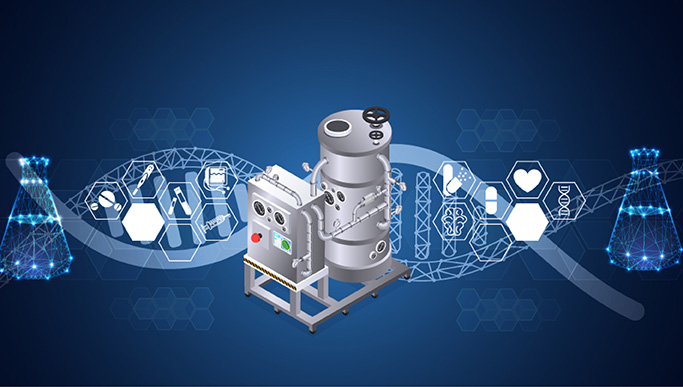
High growth markets which contribute to 20% of your revenues today will contribute 80% in the next 5 years. Identify these new revenue sources at MarketsandMarkets’ s Crystal Ball event
The end product sales in bioproduction market are expected to grow at over `15% to be a $305 Bn market in 2025. Numerous engines are expected to fuel its growth – Cell Therapy, Gene Therapy, Monoclonal Antibodies, Vaccines, biosimilars and bio betters, plasma therapy as well as others.
A host of attractive, high growth opportunities such as single use systems, Lab Scale and CGMP manufacturing and R&D, Crispr and other Gene editing tools and technologies, Novel downstream bioprocessing methods etc. could be pursued. Participants such as CROs, CMOs, Bioprocess solutions manufacturers, Biobanks, automation technology providers etc. can benefit from this unprecedented growth over the next 5 years.
This Crystal Ball event focuses on learning more about the most promising opportunities in the Bioproduction ecosystem, as seen through the lens of eminent CXOs in this space
MarketsandMarkets Cybersecurity Crystal Ball Event (Time Zone - 10 AM EST)
The cybersecurity market is expected to grow at over ~9.7% to be a USD 345 billion market in 2026. Numerous engines are expected to fuel its growth – advanced persistent threat, identity and access management, encryption, threat intelligence, security and information event management, network access control, intrusion detection and prevention system, data discovery and risk and compliance management.
As businesses transitioned from office to remote operations, demand for endpoint security, cloud security solutions and disaster recovery solutions have surged. This demand has unlocked opportunities for cybersecurity vendors, cloud platform providers (CSPs), consulting firms, system integrators and managed service providers (MSPs). Participants such as CIOs, CTOs, CISOs, enterprise solution and service providers, and CSPs can benefit from this unprecedented growth over the next 5 years. This Crystal Ball event focuses on learning more about the most promising opportunities in the cloud computing space, as seen through the lens of eminent CXOs in this space
MarketsandMarkets New Economy Series - Fireside Chat on Decarbonization

MarketsandMarkets presents the New Economy Series - Fireside Chats that provide actionable insights on new revenue growth opportunities emerging from disruptions in the ecosystem. Episodes in the series will cover Market & Technological disruptions, their impact on the economy and how industries can navigate emerging challenges so that they can adapt and grow from them.
Chief Revenue Officer Talk Series: 5 Steps to Successful CRO | Module 1 [Time-Zone EST]
The CRO oversees operations, sales, company development, advertising and marketing, pricing, and revenue management. They recognize enhancing income overall performance, developing great product and pricing strategy, and delivering customer satisfaction. Their function is becoming increasingly essential in recurring revenue models like subscription-oriented models and retrieving customers as well as organising commercial enterprise relationships with new ones.
They are the individual in charge of a company’s revenue streams. Leveraging knowledge of the roles both sales and advertising play in driving growth, they have remaining accountability in aligning all sales-generating departments and building strategic partnerships.
Chief Revenue Officer Talk Series| Transformation in the role of CRO- Module 2 [Time-Zone EST]
The CRO oversees operations, sales, company development, advertising and marketing, pricing, and revenue management. They recognize enhancing income overall performance, developing great product and pricing strategy, and delivering customer satisfaction. Their function is becoming increasingly essential in recurring revenue models like subscription-oriented models and retrieving customers as well as organising commercial enterprise relationships with new ones.
They are the individual in charge of a company’s revenue streams. Leveraging knowledge of the roles both sales and advertising play in driving growth, they have remaining accountability in aligning all sales-generating departments and building strategic partnerships.
2nd Edition MarketsandMarkets Tech Transfer Event

Given the importance of innovation to economic development and growth, the diffusion of inventions is of great interest to economists and policymakers a. Here the technology transfer comes into play which promote exchange of knowledge between academia and industry, to strengthen the transfer of novelties from labs to the real-world practices.
Tech transfer has its own deep rooted challenges viz, dissemination of technology, considered cost effectiveness for newer technology, adoption, and various regulatory and marketing related activities. Based on the addressal and solutions to these areas, MarketsandMarkets is coming up with the 1 day tech transfer virtual event on “How to create and describe inventions in a more commercial ready way’ on 30th March 2022.
MarketsandMarkets Advanced Genetic Sequencing CRYSTAL BALL EVENT (Time Zone - EST)

DNA sequencing is the process of determining the precise order of the nucleotides in DNA. Genome sequencing helps us to understand the genetic biology and has vast potential for medical diagnosis and treatment. DNA sequencing technologies have gone through at least three "generations": Sanger sequencing and Gilbert sequencing were first-generation, pyrosequencing was second-generation, and Illumina sequencing is next-generation.
Advancements in NGS platforms, declining costs of genome sequencing and growing incidence of cancer and increasing applications of NGS in cancer research are the key factors supporting the growth of the market.
MarketsandMarkets Alternate Food Solutions Crystal Ball Event (Time Zone - 10 am EST)

The plant-based protein market is expected to grow at over ~7.2% to be a USD 15.6 billion market in 2026. Increase in demand for meat substitute and vegan-friendly products to widen growth prospects for plant-based protein. Furthermore, innovations and developments related to plant-based protein to encourage the vegan trend and increase in investments & collaborations in the plant-based food business are expected to fuel the growth.
Dairy alternatives are food & beverage products that are like certain types of dairy-based products in terms of texture and flavor, as well as the nutritional benefits they offer. The market is expected to grow at over ~10.3% to be a USD 40.6 billion market in 2026. The increasing number of lactose-intolerant and dairy-allergic consumers has accelerated the growth of the dairy alternatives market.
MarketsandMarkets Smart Grid Crystal Ball Event (Time Zone - 10 AM EST)

The Smart Grid market is expected to grow at a CAGR of 19.1% to be a USD 103.4 billion market in 2026 from 39.0 billion in 2021. Numerous factors are expected to fuel this growth: supportive regulatory framework of governments, improved grid reliability and efficient outage response, increasing awareness about carbon footprint management, and strong focus on modernization of aging grid infrastructure
MarketsandMarkets Digital Agriculture Crystal ball Event (Time Zone - 9PM PST)

Global digital Agriculture Market size is estimated to grow from USD 5.6 billion in 2020 and is projected to reach USD 6.2 billion by 2021, recording a CAGR of 9.9%. The shift in consumer preferences to higher standards of food safety and quality and increase in demand for agriculture food products are some of the driving factors for the market. Moreover, increased farm mechanization and developing digital agriculture infrastructure are expected to increase the adoption of digital agriculture among the farmers.
3rd Edition MarketsandMarkets Orphan Drugs and Rare Diseases Virtual Conference [Time Zone - Central European Time (CET)]
![3rd Edition MarketsandMarkets Orphan Drugs and Rare Diseases Virtual Conference [Time Zone - Central European Time (CET)]](https://events.marketsandmarkets.com/imagesdata/events/2nd_Edition_Orphan_Drugs__New_Website_main_banner_1600x600.jpg)
New medicine for Orphan and Rare Diseases has the capability to undoubtedly impact the lives of patients, where historically there were few or no treatments have been provided to control the sickness. The Orphan Drug Act (ODA) established in 1983 compelled producers to expand scale to treat uncommon/orphan diseases, and the orphan drug panorama has advanced drastically. Approvals for orphan drugs has doubled in the past decade, and there are over 500 applicants in the pipeline for orphan diseases.
MarketsandMarkets IoT & Sensors Crystal Ball Event

The IoT sensors market size is expected to reach USD 29.6 billion by 2026 from USD 8.4 billion in 2021, at a CAGR of 28.6%. Numerous engines are expected to fuel its growth – Increasing use of sensors in IoT applications due to cost and size reduction, and technological advancement, and Introduction of 3GPP Release 13 and Release 14 specifications are the key factors driving the growth of the IoT sensors market. The Growth of Internet penetration rate and High demand for connected and wearables devices are factors propelling the growth of the IoT sensors market.
Owing to the rapid reduction in the sensor size and high adoption of microelectromechanical systems (MEMS) technology, sensors are finding applications in automotive, healthcare, and consumer products. This has played a major role in the growth of the overall sensors market. During the last 5 years, smaller sensors have rapidly been deployed in devices such as smartphones, drones, wearables, and robots.
This Crystal Ball event focuses on learning more about the most promising opportunities in the IOT Sensor ecosystem, as seen through the lens of eminent CXOs in this space.