MarketsandMarkets

DeviceCon Series 2024 - UK Edition

21st-22nd March 2024

Millennium Gloucester Hotel, 4-18 Harrington Gardens, London SW7 4LH

EVENT OVERVIEW

Future Forward: Redefining Healthcare with Cutting-Edge Devices

Welcome to DeviceCon Series 2024 – Where Innovation Meets Impact!

Join us on March 21-22 at Millennium Gloucester Hotel, 4-18 Harrington Gardens, London SW7 4LH for a groundbreaking convergence of knowledge, ideas, and technology. MarketsandMarkets proudly presents the DeviceCon Series, an extraordinary blend of four conferences that promise to redefine the landscape of innovation in medical and diagnostic devices.

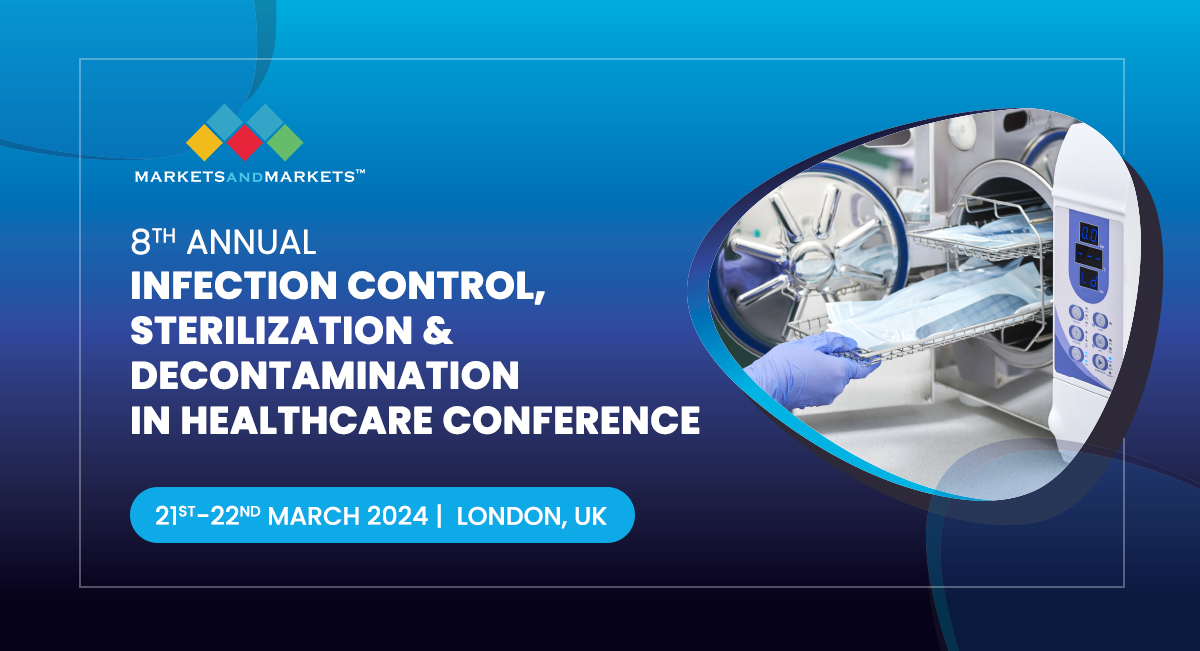
MarketsandMarkets Infection Control, Sterilization & Decontamination in Healthcare Conference

With the increased risk of infection due to improper sterilisation and decontamination practices, the safety of patients and healthcare workers is paramount nowadays. Come together to discuss the obstacles in achieving and maintaining an infection-free environment in the hospital and outpatient settings, as well as effective and research-based ways to reduce the risks of infections caused by microbes and chemicals.

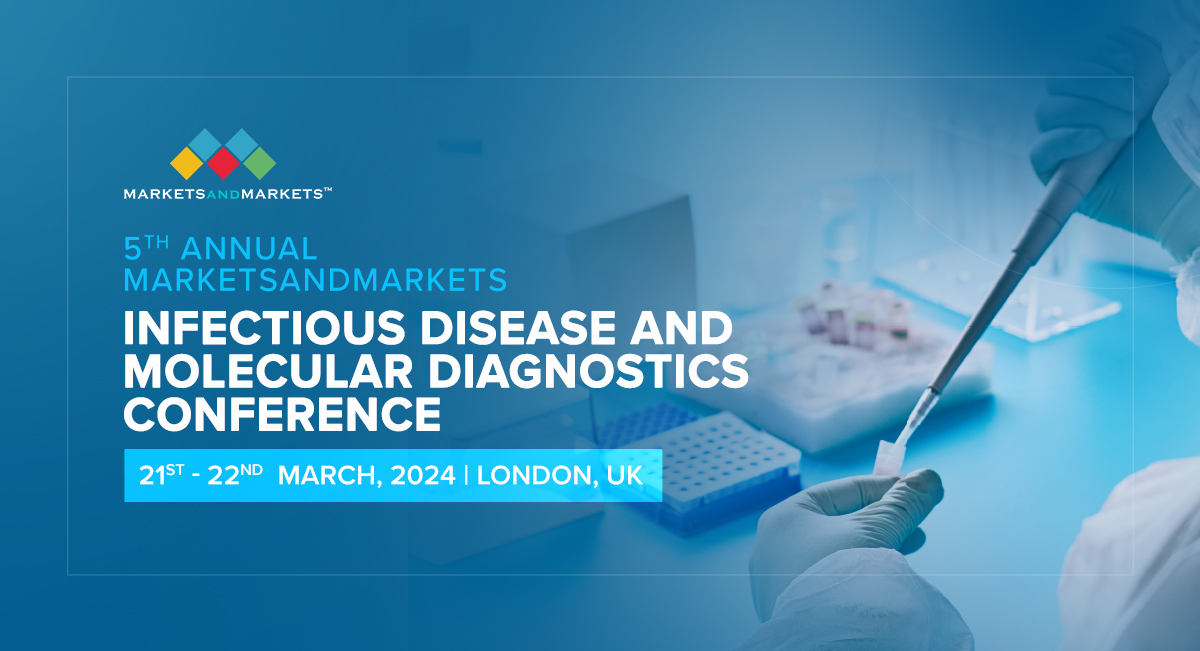
MarketsandMarkets Infectious Disease Diagnostics and Molecular Diagnostics Conference

Explore the latest insights in diagnostics, emerging technologies and their applications, and address the challenges within the diagnostics domain, including diagnostic settings, sample processing, regulations, validations, high costs of advanced technologies, [blood transfusion technology, and the global need for improved healthcare.

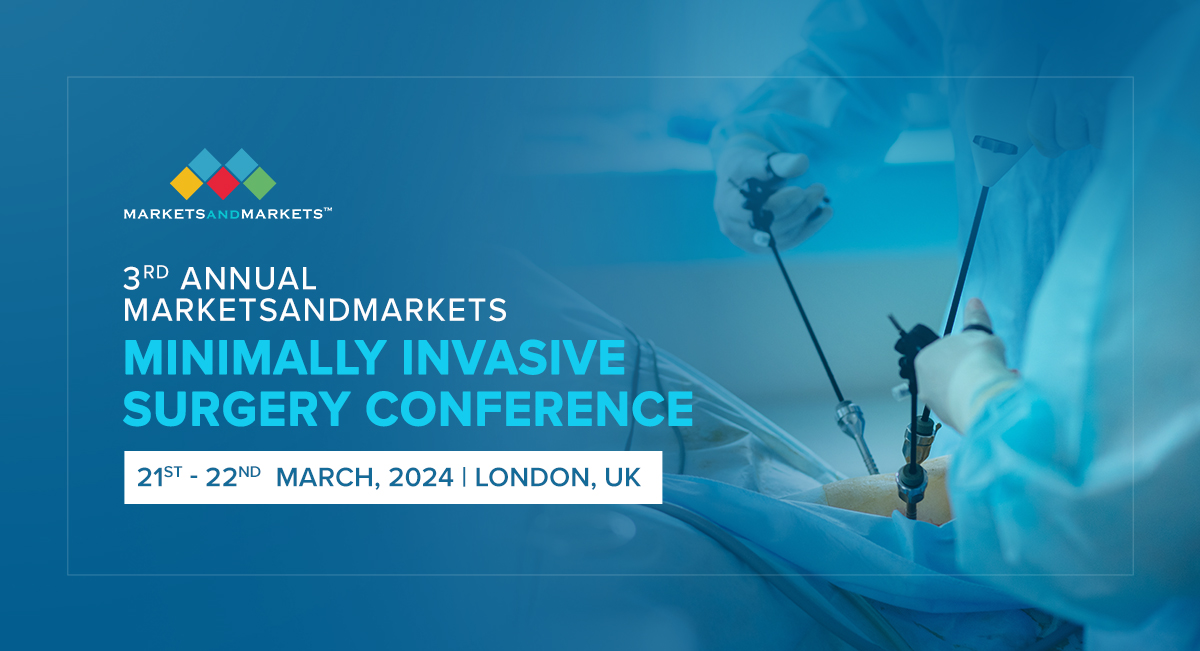
MarketsandMarkets Minimally Invasive Surgery Conference

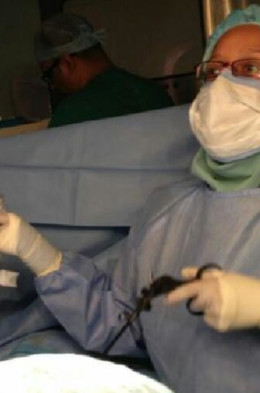
In the ever-evolving realm of surgery, we've witnessed a seismic shift propelled by cutting-edge technologies and innovative techniques. Among the standout game-changers is the Da Vinci robotic system, a trailblazer in the realm of minimally invasive surgery (MIS). This technological marvel has ushered in a new era, revolutionizing the way we approach surgical procedures.

Dive into a wide platform designed for surgeons, physicians, residents, clinical speciality nurses, and other medical professionals to gather and discuss the latest technological advancements, emerging trends, challenges, and prospects in minimally invasive surgery. The focus will be on managing disorders related to urology & gynaecology.

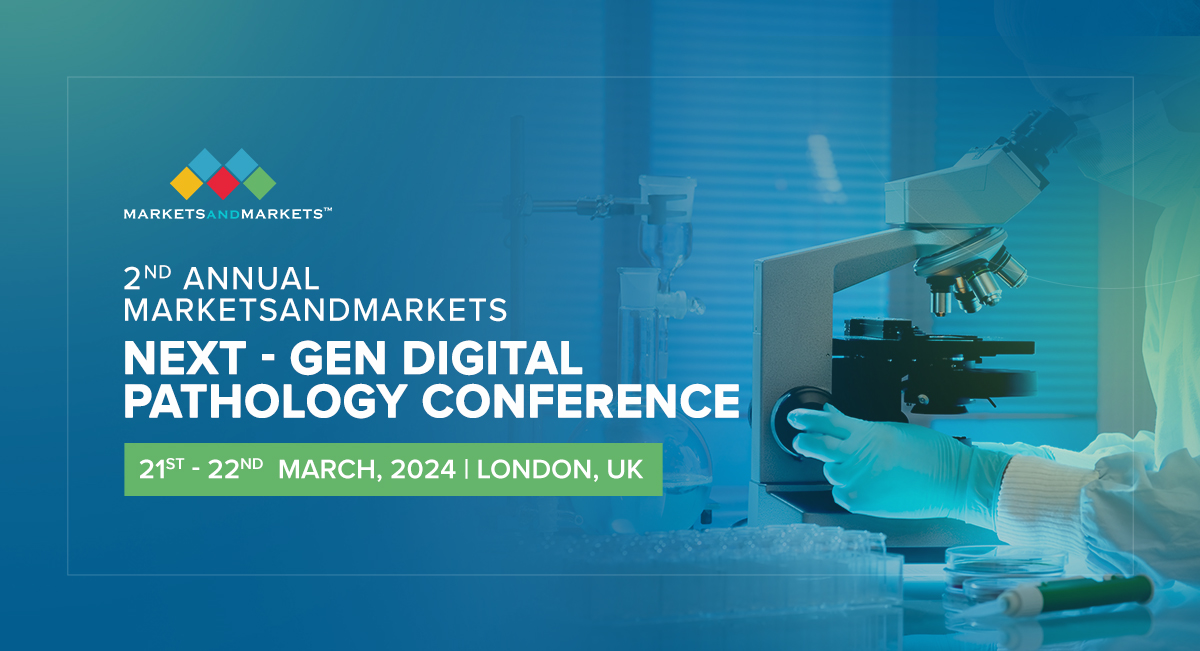
MarketsandMarkets Next-Gen Digital Pathology Conference

Integrating artificial intelligence (AI) and Machine learning algorithms into pathology workflows, heralding a new era of efficiency and accuracy in analysing pathology images, managing quality data & aiding pathologists in rapid and precise diagnoses. The conference promises an immersive exploration into the future of diagnostic medicine, combining pathology with the power of digital innovation.


CO-LOCATED CONFERENCES

8th Annual MarketsandMarkets Infection Control, Sterilization & Decontamination Conference
3rd Annual MarketsandMarkets Minimally Invasive Surgery Conference
5th Annual MarketsandMarkets Infectious Disease and Molecular Diagnostics Conference
2nd Annual MarketsandMarkets Next - Gen Digital Pathology Conference

WHAT TO EXPECT

  1. Emerging Technologies: The conference focuses on trending technologies in diagnostics and their applications. By attending, you can gain insights into emerging tools, platforms, and methodologies that can enhance diagnostic accuracy, speed, and precision.
  2. Inspiring Keynote Speakers: Hear from influential keynote speakers who share their experiences, insights, and vision for the future. Their stories can inspire and motivate you to reach new heights in your career.
  3. Industry Ready: Get ready to gather immense knowledge of upcoming technologies in the field of Prevention and Diagnosis. Learn about topics, on molecular diagnostics, preventing the population from infections & role of technology in advancing healthcare. Contribute to interactive discussions, share your work, stay updated and be industry ready on cutting-edge technologies and platforms.
  4. Network & Collaboration Opportunities: Conferences provide a platform for Network & collaboration between different stakeholders in the healthcare ecosystem. Whether you're a healthcare provider, technology developer, or researcher, these events foster collaborations that can drive impactful change.
  5. Access to Experts: Engage in Q&A sessions, panel discussions, and one-on-one interactions with experts in the field. Get your burning questions answered and gain a deeper understanding of the topics discussed.
  6. Patient-Centric Approaches: Explore how next-gen devices contribute to a more patient-centric healthcare system. Understand the implications for personalized medicine, remote patient monitoring, and improved diagnostics that cater to individual patient needs.
  7. Practical Applications: Discover how research translates into real-world applications. Explore exhibitor showcases, demonstrations, and case studies, gaining insights into the latest tools and technologies.
  8. Future Trends and Opportunities: Get a glimpse into the future of healthcare and diagnostics. Identify emerging trends, potential market opportunities, and areas for growth in the rapidly evolving landscape of next-gen devices in healthcare.
  9. Emerging Technologies: The conference focuses on trending technologies in diagnostics and their applications. By attending, you can gain insights into emerging tools, platforms, and methodologies that can enhance diagnostic accuracy, speed, and precision.
  10. Inspiring Keynote Speakers: Hear from influential keynote speakers who share their experiences, insights, and vision for the future. Their stories can inspire and motivate you to reach new heights in your career.
  11. Industry Ready: Get ready to gather immense knowledge of upcoming technologies in the field of Prevention and Diagnosis. Learn about topics, on molecular diagnostics, preventing the population from infections & role of technology in advancing healthcare. Contribute to interactive discussions, share your work, stay updated and be industry ready on cutting-edge technologies and platforms.
  12. Network & Collaboration Opportunities: Conferences provide a platform for Network & collaboration between different stakeholders in the healthcare ecosystem. Whether you're a healthcare provider, technology developer, or researcher, these events foster collaborations that can drive impactful change.
  13. Access to Experts: Engage in Q&A sessions, panel discussions, and one-on-one interactions with experts in the field. Get your burning questions answered and gain a deeper understanding of the topics discussed.
  14. Patient-Centric Approaches: Explore how next-gen devices contribute to a more patient-centric healthcare system. Understand the implications for personalized medicine, remote patient monitoring, and improved diagnostics that cater to individual patient needs.
  15. Practical Applications: Discover how research translates into real-world applications. Explore exhibitor showcases, demonstrations, and case studies, gaining insights into the latest tools and technologies.
  16. Future Trends and Opportunities: Get a glimpse into the future of healthcare and diagnostics. Identify emerging trends, potential market opportunities, and areas for growth in the rapidly evolving landscape of next-gen devices in healthcare.

Charting the Future of Devices: DeviceCon Series 2024, March 21-22, London, UK

Stream 1 - Infectious Disease Diagnostics and Molecular Diagnostics Conference

Stream 2 - Cancer Diagnostics Conference 

Stream 3 – Next-Gen Digital Pathology Conference

.

Molecular Diagnostics:


  • Developing a Molecular and Rapid Testing Diagnostic Service
  • The Impact of NGS in Diagnostic Virology Involving HIV-1 Tropism, Genotypic Resistance in Influenza, HBV, Hepatitis C Virus (HCV) and Cytomegalovirus (CMV)


  • Current Molecular Diagnostics and Whole Genome Sequencing (WGS) Applied to Mycobacteria
  • KCL TEST: Matching Results from the ONS and Generating Molecular Biology Laboratory-Based Protocols 
  • Molecular Diagnosis of Drug-Resistant Tuberculosis


Infectious Diseases:

  • Clinical Validation of a Point-of-Care Multiplexed In Vitro Immunoassay Using Monoclonal Antibodies


  • The Impact of Digital Technologies on Point-of-Care Diagnostics in Resource-Limited Settings.


  • The Challenges and Some Emerging Strategies for Tackling a Global Bacterial Menace


  • Biosensors for the Detection of Bacterial and Viral Clinical Pathogens


  • Electrochemical Diagnostics of Infectious Viral Diseases


  • 4D Radiomics in dynamic contrast-enhanced MRI: Prediction of Breast Cancer pathological complete response to neoadjuvant chemotherapy
  • Multicancer Early Detection Tests
  • Early detection of cancer using cell-free DNA fragmentomics


  • Development of a prognostic model for head and neck cancer risk assessment, encompassing lifestyle parameters, HPV serological markers, and genetic biomarkers
  • Deep Learning & Biomarker Panels-Based Platform for Breast Cancer Detection
  • Challenges and opportunities in early detection


Digital Pathology: Strategy, Innovations and Scope


  • Overcoming Implementation Challenges


  • Evaluation of pediatric diseases


  • Standardization and validation methods & guidelines

AI & Computational Pathology: Enhancing diagnostic Accuracy

  • Understanding Of Computational Pathology
  • Quantitative image analysis in pathology research
  • AI-Driven Pathology: Real-world Experiences in Hospital labs


  • AI & ML methods: Image interpretation & Pattern recognition


Data Management & Integrating for Early disease detection


  • Pathology Informatics: Bridging Gaps in Hospital Data Flow


  • Clinical and Chemical Pathology
  • Studying Anatomical & Forensic Pathology via DP
  • Telepathology Innovations & Remote Diagnosis
  • Digital Transformation in Surgical Pathology
  • Digital pathology in cancer research & diagnosis

Diagnostic Pathology: Imaging Technologies

  • Radiology-Pathology Correlation using AI
  • Regulatory Approvals for Using AI in Pathology

Stream 4 - Infection Control, Sterilization & Decontamination in Healthcare Conference


Stream 5 - Minimally Invasive Surgery Conference


Sub Stream A –

Urology

Sub Stream B –

Gynecology

  • Antimicrobial stewardship & multidrug- resistant organisms.
  • Hand hygiene protocols and best practices
  • Importance of surveillance & green initiatives
  • Surgical site infections – What are they?
  • Effective Disinfection Practices for Hemodialysis
  • Sterilization and decontamination of endoscopes
  • Educating and Training – Key Pillar of IPC
  • Which is better, Reusable or Disposable?
  • Automated Cleaning – Role of technology in IC


  • Manual Cleaning & Effective Documentation
  • Challenges and Failure in Sterilization of medical devices 
  • Antimicrobial surfaces and their role in infection prevention.
  • ATP Verses Fluorescent markers – superior representative
  • Factors affecting the efficacy of disinfection & sterilization.
  • How Sustainable is Patient Safety within Decontamination?


  • Infections in the immunocompromised host & Pediatric Infections
  • Infection control & prevention in hospital/critical (ICU) & outpatient care


  • The Minimally Invasive Penile Implant
  • Improving Outcomes in Robotic Prostatectomy - The Role of Advanced Imaging Platforms


  • Next-Gen Lasers in the Management of Urothelial Cancer
  • Minimally invasive cystectomy approaches in the treatment of bladder cancer


  • Why is Laparoscopic Pyeloplasty Better than Robotic?
  • Laparoscopic surgery for Enlarged Prostate in Benign Condition


  • Taking the Next Steps to Eliminate Cervical Cancer
  • Insulin Resistance and Metabolic Syndrome in Women’s Health
  • The Next-Gen Advances in Gynecological Endoscopy
  • Intraoperative use of Indocyanine Green (ICG) in Gynecological malignancies
  • Robotic in Complex Benign Gynecology
  • Staging for Endometrial Cancer
  • Varicocelectomy improves the sperm capacity to induce optimal embryonic development post-fertilization

Expression #1 of SELECT list is not in GROUP BY clause and contains nonaggregated column 'cnceventswithcrm.s.id' which is not functionally dependent on columns in GROUP BY clause; this is incompatible with sql_mode=only_full_group_by